
Piles Treatment - Laser Surgery Procedure & Operation Benefits
What Are Piles?
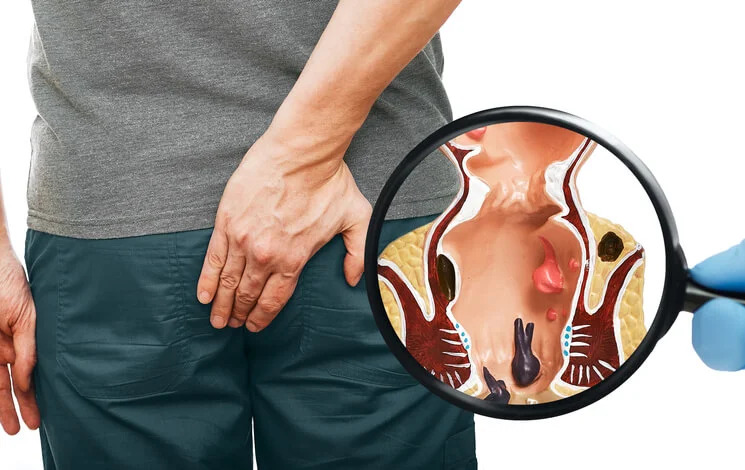
Piles, also known as hemorrhoids, are swollen veins in the anus and lower rectum. They can occur internally, inside the rectum, or externally, around the external opening of the anus.
Piles can affect people of all ages and genders. However, according to global medical reports, people between 50 and 60 years are more likely to suffer from piles.
Piles is generally not a serious medical condition and can be treated with lifestyle changes and home remedies, like increasing fiber intake, drinking plenty of water, practicing good hygiene, using over-the-counter creams or ointments, and avoiding straining during bowel movements. However, in more severe cases, surgical procedures may be required.
Benefits of Piles Laser Treatment
| Features | Open Surgery | Open Surgery |
|---|---|---|
| Cuts | Multiple | Cuts |
| Stitches | Multiple | Minimal |
| Procedure | Painful | Minimal Pain |
| Blood Loss | High | Low |
| Infection Chances | High | Chances |
| Hospital Duration | Long | Short |
| Technology | Outdated | Advanced |
What Are The Types and Grades Of Piles?
Piles can be classified into the following based on their location and characteristics:
Internal Piles
Internal piles develop inside the rectum above the dentate line. They are not visible from the outside and are categorized into different grades based on their severity and prolapse.
- Grade 1: Grade 1 piles are the mildest form of internal piles. They are small and found in the lining of the rectum. They do not protrude out of the anus and usually do not cause any symptoms. Treatment for Grade 1 piles often begins with conservative measures, like lifestyle modifications, sitz baths, topical creams or ointments, etc.
- Grade 2: Grade 2 piles are larger than Grade 1 and may protrude during bowel movements. They protrude from the anus but spontaneously retract back into the rectum after the bowel movement. Treatment options for Grade 2 piles may include non-surgical interventions like rubber band ligation, infrared coagulation, and sclerotherapy.
- Grade 3: Grade 3 piles also prolapse during bowel movements but do not retract independently. They need to be manually pushed back into the rectum. They may cause significant discomfort, pain, itching, bleeding, and difficulty maintaining proper hygiene. Treatment options for Grade 3 piles may include rubber band ligation, infrared coagulation, and sclerotherapy.
- Grade 4: Grade 4 piles are the most severe and advanced stage. They remain prolapsed and cannot be manually repositioned. These piles are large, inflamed, and highly sensitive. Grade 4 piles can cause intense pain, bleeding, and hygiene difficulties. In addition, they may also be associated with complications such as thrombosis (blood clots) or strangulation. Surgical intervention may be necessary for Grade 4 piles, and options may include laser surgery and stapled hemorrhoidectomy.
External Piles
External piles form around the external opening of the anus and can be seen or felt as lumps or bumps. They are found below the dentate line and may induce pain, itching, and discomfort. External piles can be treated using conservative methods
Conservative treatment options for external piles include sitz baths, topical creams or ointments, pain medications, etc. However, surgery like laser surgery and stapled hemorrhoidectomy may be recommended for external piles if conservative treatments fail to provide relief or if the condition becomes severe.
Surgical intervention is usually considered when external piles become thrombosed, causing severe pain and discomfort.
How Can Piles Be Diagnosed?
A proctologist or an anorectal surgeon can diagnose piles through medical history, physical examination, and diagnostic tests if required. Here is an overview of the diagnostic process for piles:
- Medical History: Your healthcare provider will start by asking about your symptoms, including any pain, itching, bleeding, or changes in bowel movements. They will also ask about your medical history and any previous occurrences of piles.
- Physical Examination: A physical examination of the anal region will be conducted to evaluate for external and internal piles. The healthcare provider may visually inspect the area and gently examine the anus and rectum using gloved fingers to check for abnormalities, swelling, or lumps.
- Digital Rectal Examination (DRE): In some cases, a digital rectal examination may be performed. It involves the insertion of a lubricated, gloved finger into the rectum to assess the internal piles and check for any other rectal abnormalities. The procedure is typically fast and involves less pain.
- Anoscopy or Proctoscopy: These procedures involve using a small, lighted tube called an anoscope or proctoscope to examine the anal canal and rectum more closely. Anoscopy and proctoscopy directly visualize the anal canal and rectum, allowing for a more detailed examination of piles and other rectal disorders. These procedures can help determine the location, size, and severity of the piles, guiding the healthcare provider in developing an appropriate treatment plan.
- Sigmoidoscopy: In this procedure, the healthcare provider uses a sigmoidoscope (lighted tube with a camera) to view the lower part of the colon and rectum. Procedure types include flexible sigmoidoscopy and rigid sigmoidoscopy. Flexible and rigid sigmoidoscopy allows healthcare providers to directly visualize the rectum and lower sigmoid colon, aiding in identifying various conditions, including piles.
- Colonoscopy: Colonoscopy helps examine the colon or the large intestine to check the abnormalities inside it. A colonoscopy evaluates rectal bleeding due to piles or other causes and rules out more serious problems so the doctor can suggest the most appropriate treatment for piles. What Are The Different
What Are The Different Treatment Options For Piles?
Piles can be treated using both non-surgical and surgical methods. Here are some common non-surgical and surgical treatments for piles:
Non-surgical Treatment
Non-surgical treatments for piles include the following:
- Rubber band ligation: Rubber band ligation is a commonly used non-surgical treatment for internal piles. To do this procedure, a doctor inserts a viewing scope (anoscope) into the anus. A special instrument called a ligator is used to place a small rubber band at the base of the piles. The rubber band cuts off the blood supply to the piles, causing it to shrink and eventually fall off within a few days. The procedure takes about 30 minutes, and you can go home when it’s done. The recovery time after rubber band ligation is typically short, and most individuals can resume their normal activities within a few days.
- Sclerotherapy: Among the wide range of treatment options for managing piles, a non-surgical modality is sclerotherapy. During sclerotherapy, a solution (sclerosant) is injected into the affected vein, causing it to shrink and eventually fade away. It is typically used for the treatment of internal piles. Since sclerotherapy is a non-surgical procedure, it generally offers a faster recovery time than surgical interventions.
- Infrared photocoagulation: Infrared photocoagulation is a medical procedure for treating small and medium-sized piles. This treatment is only for internal piles. During the procedure, the doctor uses a device that produces an intense beam of infrared light. The heat from infrared light causes scar tissue, which cuts off the blood supply to the piles. The piles shrink and eventually fall off, and scar forms on the wall of the anal canal. The scar tissue holds nearby veins in place so they don’t bulge into the anal canal. The recovery time after infrared photocoagulation is typically short. Most individuals can resume their normal activities immediately after the procedure.
- Electrocoagulation: This procedure uses an electric current to destroy the piles. In this procedure, a proctoscope is placed in the anus to locate the piles. A probe is then placed at the base of the piles, and an electric current is delivered to the piles using a handpiece connected to the probe. The purpose is to use the electric current to thicken the blood in vessels and cauterize it at the base. The piles then start to shrink. The recovery time after electrocoagulation for piles can vary from person to person, and it depends on factors such as the size and severity of the piles, as well as individual healing capabilities.
Surgical Treatment - Operation for Piles
Surgery is the best and most sure-shot method of piles treatment. Piles need surgery in cases where home remedies, medications, and other conservative measures have failed to provide relief or when the piles are severe or persistent. Some common types of piles surgery include:
- Open surgery-Open surgery, or open hemorrhoidectomy, is a traditional surgical procedure to remove piles. In this procedure, the surgeon makes an incision in the anal region to locate the piles. The incision is generally made around the anus or in the anal canal, depending on the location and severity of the piles. The surgeon carefully removes the piles using surgical instruments, and the technique may involve excising the piles or ligating them with sutures to restrict their blood supply. The goal is to completely remove or reduce the size of the piles. The complete recovery time after open surgery for piles can vary from several weeks to a few months. It depends on factors such as the extent of the surgery, individual healing abilities, and adherence to post-operative care instructions.
- Stapler surgery-Stapler surgery or stapled hemorrhoidectomy is a surgical method for treating piles. It utilizes a stapling device to remove piles tissues. Doctors suggest this treatment procedure for patients whose piles have prolapsed or become abnormally large or who have shown little or no improvement with nonsurgical treatment. Under stapler surgery, the piles tissue is lifted into a ring of tissues with sutures, and a stapler removes it, restricting blood flow to the tissue. As a result, patients who undergo stapler surgery typically experience less pain than those who undergo traditional piles surgery. They also experience less bleeding, itching, and swelling around the anus and inside the rectum. Recovery from stapler surgery is quick and is linked to fewer complications.
- Laser surgery- Laser surgery is the safest and most effective surgical option to treat piles. This procedure uses laser energy to shrink and coagulate the piles tissue. However, the surrounding healthy tissues remain unaffected. Laser surgery is a minimally invasive approach performed on an outpatient basis. It is associated with minimal post-operative pain and a relatively shorter recovery time.