
Anal Fistula
Anal Fistula Treatment - Laser Surgery Procedure & Operation Benefits
What is Anal Fistula?
An anal fissure is a small tear in the lining of the anal canal. It can cause discomfort, pain, and bleeding during bowel movements.
There are two types of anal fissures: acute anal fissure and chronic anal fissure:
Acute Anal fissures are typically caused by trauma to the anal canal, such as passing a large bowel movement. It can be treated with some ointments, medications and home remedies within a few weeks.
Chronic Anal fissuresare tears that persist for more than six weeks. They are often associated with underlying conditions such as inflammatory bowel disease or sexually transmitted infections. Chronic fissures are better treated with surgery.
Treatment options for anal fissures include dietary changes, topical medications, and surgery i.e. lateral internal sphincterotomy (LIS) in severe cases.
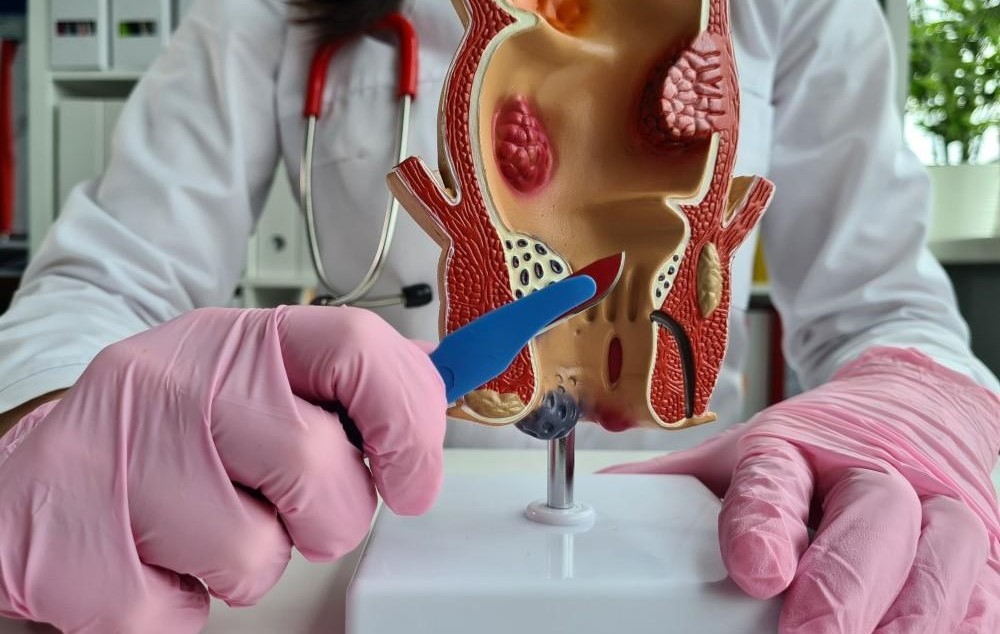
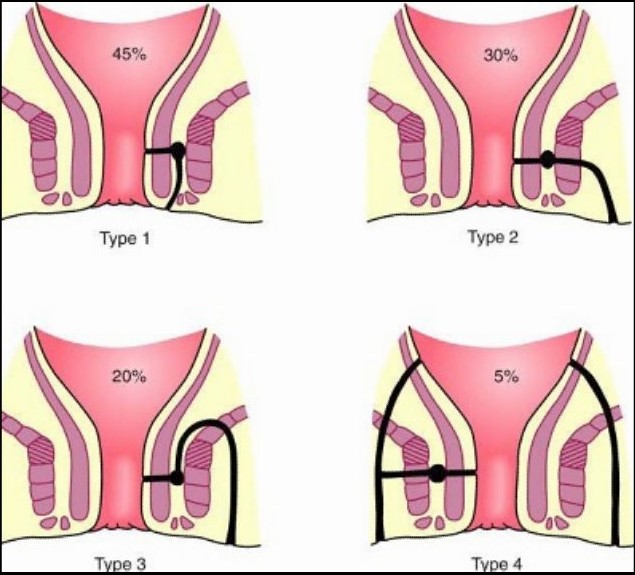
What are the Types of Anal Fistula?
There are several types of anal fistulas, which are classified based on their location and severity.
- Intersphincteric Fistula: It is located between the internal and external sphincter muscles of the anus. It is the most common type of anal fistula and is usually caused by an infected anal gland.
- Transsphincteric Fistula: It extends through both the internal and external sphincter muscles of the anus. It is usually caused by an infection that spreads from an abscess.
- Suprasphincteric Fistula:Suprasphincteric anal fistula extends above the internal sphincter muscle and is usually caused by an infection that spreads from an abscess.
- Extrasphincteric Fistula:Extrasphincteric anal fistula extends beyond the external sphincter muscle and is usually caused by a chronic infection.
It is important to seek medical attention if you suspect you have an anal fistula as it can cause discomfort and lead to complications if left untreated.
Causes of Recurrence:
When it comes to laser anal fistula surgery, a successful procedure is defined as the complete healing of the anal wound without any residual tract, external openings, or perianal discharge.
In most cases, laser anal fistula surgery is considered to be the best and the most effective surgical treatment for anal fistula. However, due to various reasons, your condition may reoccur even after surgery. Some of the most common postoperative causes of anal fistula recurrence are given below:
- Poor Hygiene of the Surgical Site: Poor hygiene and an unclean environment can expose your surgical wound to various types of bacteria and germs. Such contamination, especially after surgery, can lead to an infection and may also result in ineffective treatment of the fistula. Hence, maintaining good hygiene around the anal wound after your anal fistula surgery is imperative.
- Failure to Comply with Follow-up Instructions: After your anal fistula surgery, your anorectal specialist will likely instruct you to follow some guidelines to ensure your recovery is as smooth as possible. Following these guidelines will also ensure that the chances of any postoperative complications are as low as possible. However, failure to comply with these guidelines can often lead to incomplete recovery and could cause your anal fistula to reoccur.
- Persistence of Preoperative Factors:Treatment of an anal fistula goes beyond just surgery. It is also important to make certain changes in your lifestyle to minimize the chances of its recurrence. However, if the factors that initially lead to your condition are still present after the surgery, your anal fistula may reoccur and require treatment.
How is Anal Fistula Diagnosed?
You should see your doctor if you have persistent symptoms that suggest you may have an anal fistula. Your doctor will examine your anus and gently insert a finger inside your back-passage (rectal examination) to check for any signs of a fistula.
If your doctor thinks you might have a fistula, they will refer you to a bowel specialist for further tests to confirm the diagnosis and to assess the most appropriate treatment. These tests may include:
- Proctoscopy: A special telescope with a light on the end is used to look inside your anal canal.
- An ultrasound scan, magnetic resonance imaging (MRI), or computerised tomography (CT) scan.
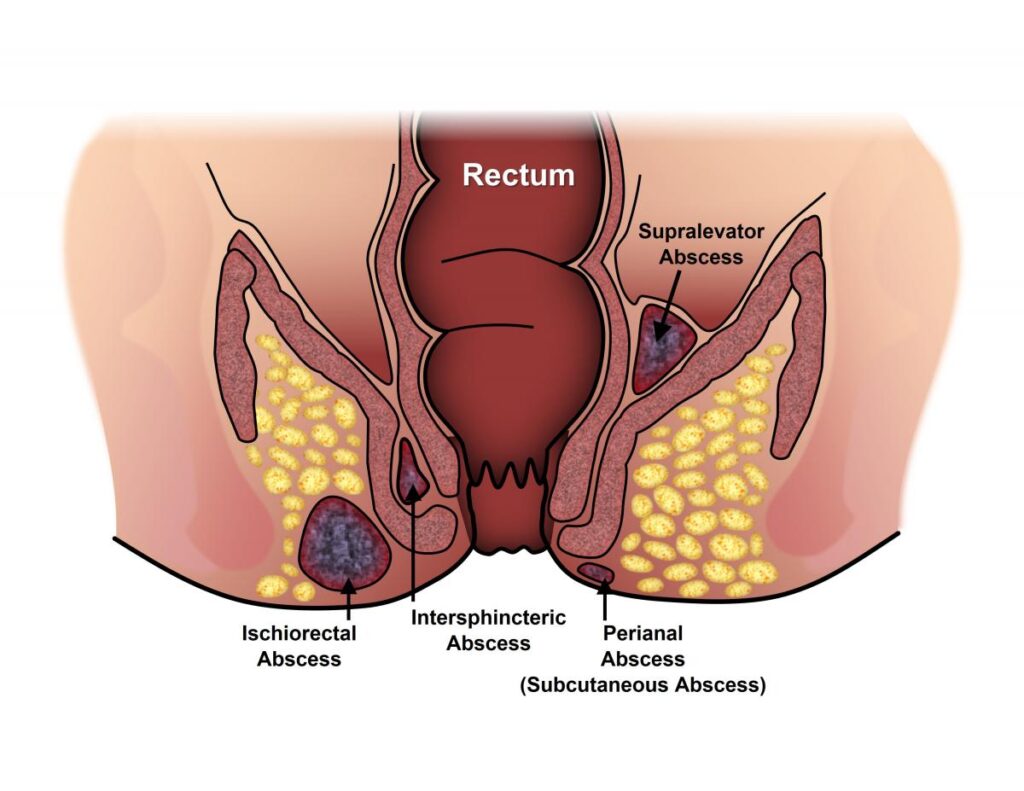
What are the Treatment Options Available for Anal Fistula?
- An anal fistula will not heal without treatment and there are a range of different treatment options available. The first step is to treat any infection with antibiotic treatment. Anal fistulas then often require surgery. The main treatment options for an anal fistula include:
-
- Seton Procedure:A surgical thread is placed through the anal fistula track and tied to form a continuous ring between the inside and outside openings of the fistula. The thread is left there for several weeks to allow drainage and prevent infection, and so help the fistula to heal. A further procedure is then needed to close the track.
-
- Fistulotomy:This is a procedure that involves cutting open the whole length of the fistula so it heals into a flat scar. It is the most effective method of dealing with a fistula and is the standard treatment for fistulas that lie near to the skin surface.
-
- Fibrin Glue:Fibrin glue is a combination of fibrinogen, thrombin and calcium. It is injected into the fistula track. It heals the fistula by causing a clot to be formed within the fistula and then healthy tissue to form within the fistula.
-
- Fistula plug:This involves using a plug made from animal tissue to block the internal opening of the fistula. The plug is resistant to infection and encourages normal tissue to fill the fistula track.
-
- Endorectal advancement flap:This procedure aims to cover the internal opening of the fistula. The internal opening of the fistula is removed and then covered with a small flap of healthy bowel wall that has been removed from the rectum.
-
- Ligation of the intersphincteric fistula track (LIFT):A skin incision is made and the fistula track is exposed and then tied and divided. a modification of this procedure, called BioLIFT, involves placing a biological mesh to prevent a fistula reforming. However, this needs a larger skin incision and increases the risk of infection.
-
Complications of an Anal Fistula
If the anal fistula is not treated properly then recurrent perianal abscesses and a complex fistula network may develop and this may cause:
- Pain.
- Bleeding.
- Faecal incontinence.
- Skin infections (cellulitis).
- Sepsis.
However surgery for an anal fistula can also cause complications. The main complications following surgery include:
- Infection.
- Faecal incontinence.
- A further fistula developing.
Preventing Anal Fistula
You can greatly reduce your risk of an anal fistula by avoiding constipation, keeping your stools soft and going to the toilet to open your bowels as soon as you feel the urge to go. To help your bowel work properly and keep your stools soft, it’s important to drink lots of fluid and get regular physical exercise.
Emergency Care
24/7 emergency support
Lorem ipsum dolor sit amet, consectetur adipiscing elit. Ut elit tellus, luctus nec ullamcorper mattis, pulvinar dapibus leo.
Lorem ipsum dolor sit amet, consectetur adipiscing elit. Ut elit tellus
Lorem ipsum dolor sit amet, consectetur adipiscing elit. Ut elit tellus
Lorem ipsum dolor sit amet, consectetur adipiscing elit. Ut elit tellus