
Pelvic Floor Disorders
What Are Pelvic Floor Disorders?
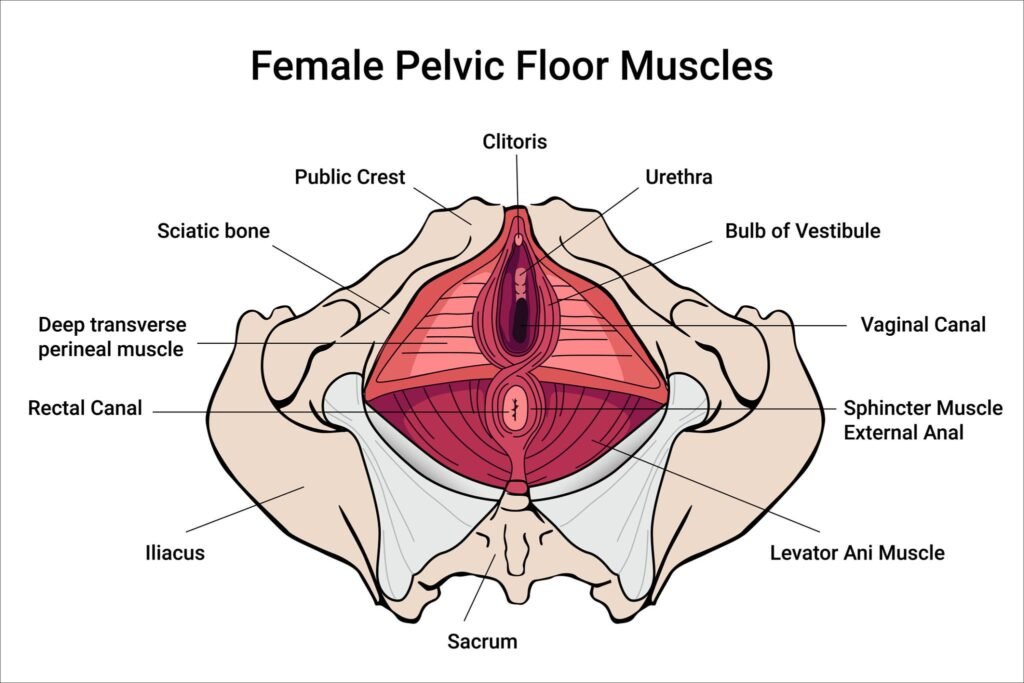
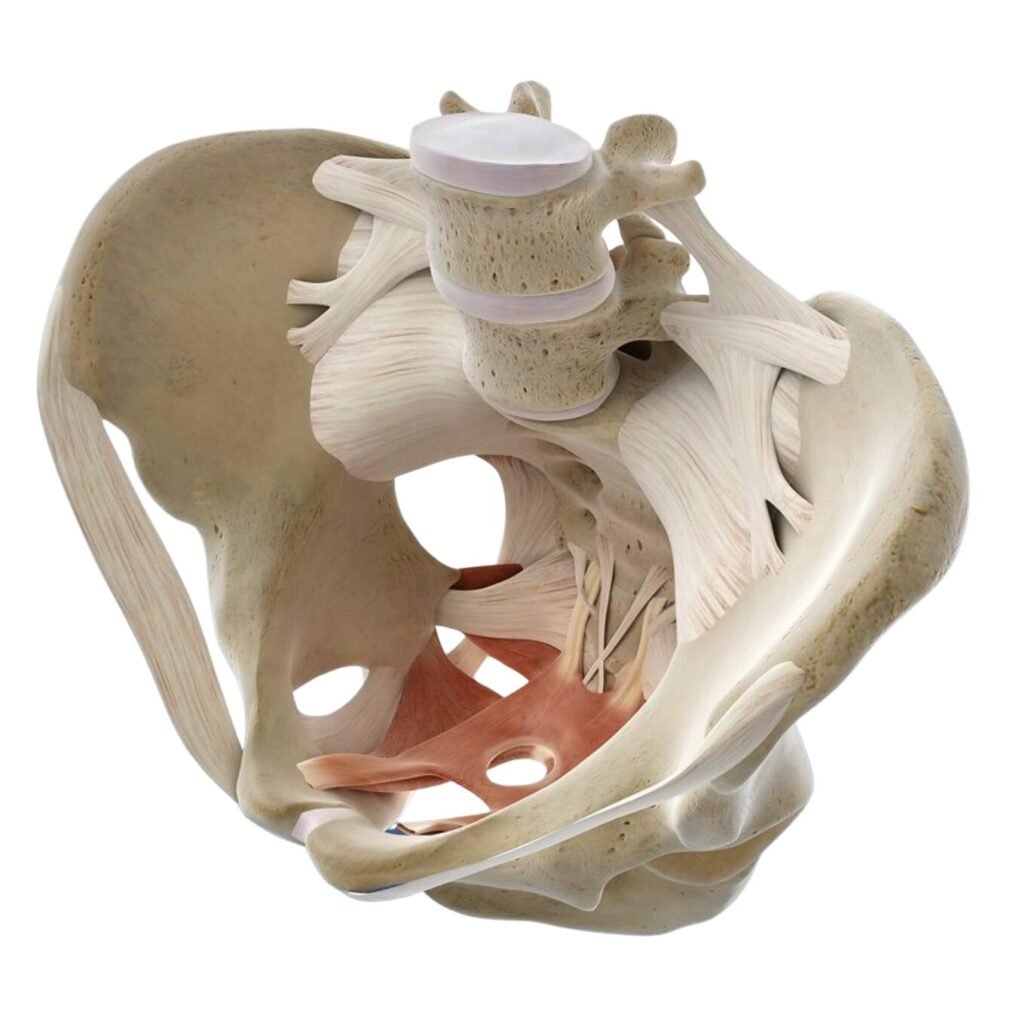
Pelvic floor disorders occur when the muscles, ligaments, and connective tissues that support the pelvic organs become weak, damaged, or fail to function properly. These structures support the bladder, rectum, and reproductive organs while helping maintain normal bowel and bladder control.
When the pelvic floor is weakened or injured, it can lead to symptoms such as constipation, difficulty passing stools, loss of bowel control, pelvic pressure, or prolapse of pelvic organs. Early diagnosis and appropriate treatment can significantly improve quality of life and help prevent complications.
Common Causes of Pelvic Floor Disorders
Pelvic floor disorders may develop due to one or more of the following factors:
- Pregnancy and vaginal childbirth
- Aging and natural muscle weakening
- Chronic constipation and excessive straining
- Obesity
- Heavy lifting over a prolonged period
- Pelvic or abdominal surgery
- Nerve or spinal injuries
- Chronic cough
- Connective tissue weakness
- Previous pelvic trauma
Common Symptoms
Symptoms vary depending on the underlying condition and may include:
- Difficulty passing stools
- Chronic constipation
- Feeling of incomplete bowel emptying
- Loss of bowel control (fecal incontinence)
- Pelvic heaviness or pressure
- A bulge from the rectum or vagina
- Pain or discomfort in the pelvic region
- Difficulty controlling gas
- Lower back or pelvic pain
If these symptoms persist, a consultation with a colorectal surgeon is recommended for proper evaluation.
Conditions Associated with Pelvic Floor Disorders
Pelvic floor dysfunction can contribute to several colorectal and pelvic conditions, including:
- Rectal Prolapse
- Rectocele
- Pelvic Organ Prolapse
- Obstructed Defecation Syndrome (ODS)
- Chronic Constipation
- Fecal Incontinence
- Solitary Rectal Ulcer Syndrome
- Pelvic Floor Dyssynergia
Diagnosis
A thorough evaluation helps determine the exact cause of pelvic floor dysfunction. Depending on your symptoms, your surgeon may recommend:
- Detailed medical history and physical examination
- Digital rectal examination
- Proctoscopy or Colonoscopy (when indicated)
- MRI Pelvis
- Defecography
- Anorectal Manometry
- Endoanal Ultrasound
- Other specialized investigations when required